
Three products, one problem
More kilowatt-hours from the modules
you have already paid for.
Three technologies address three different loss mechanisms: reflected light below the array, transmission through the glass, and the cost of keeping modules clean. Start with the constraint at your site.
Products
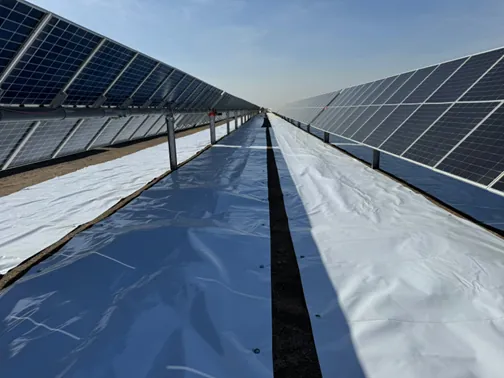
Sunplus reflective ground mat
Lift bifacial output by raising ground albedo.
A white reflective membrane laid between rows of bifacial modules. Turns the inter-row strip into a second sky for the rear face to see. 5–11% annual production uplift across ten deployed sites; 647 MW installed in Oman.
- Ground albedo 0.17 → 0.82
- Mowing offset: 20-yr break-even
- 10-year warranty · 25-year design life
Open Sunplus →
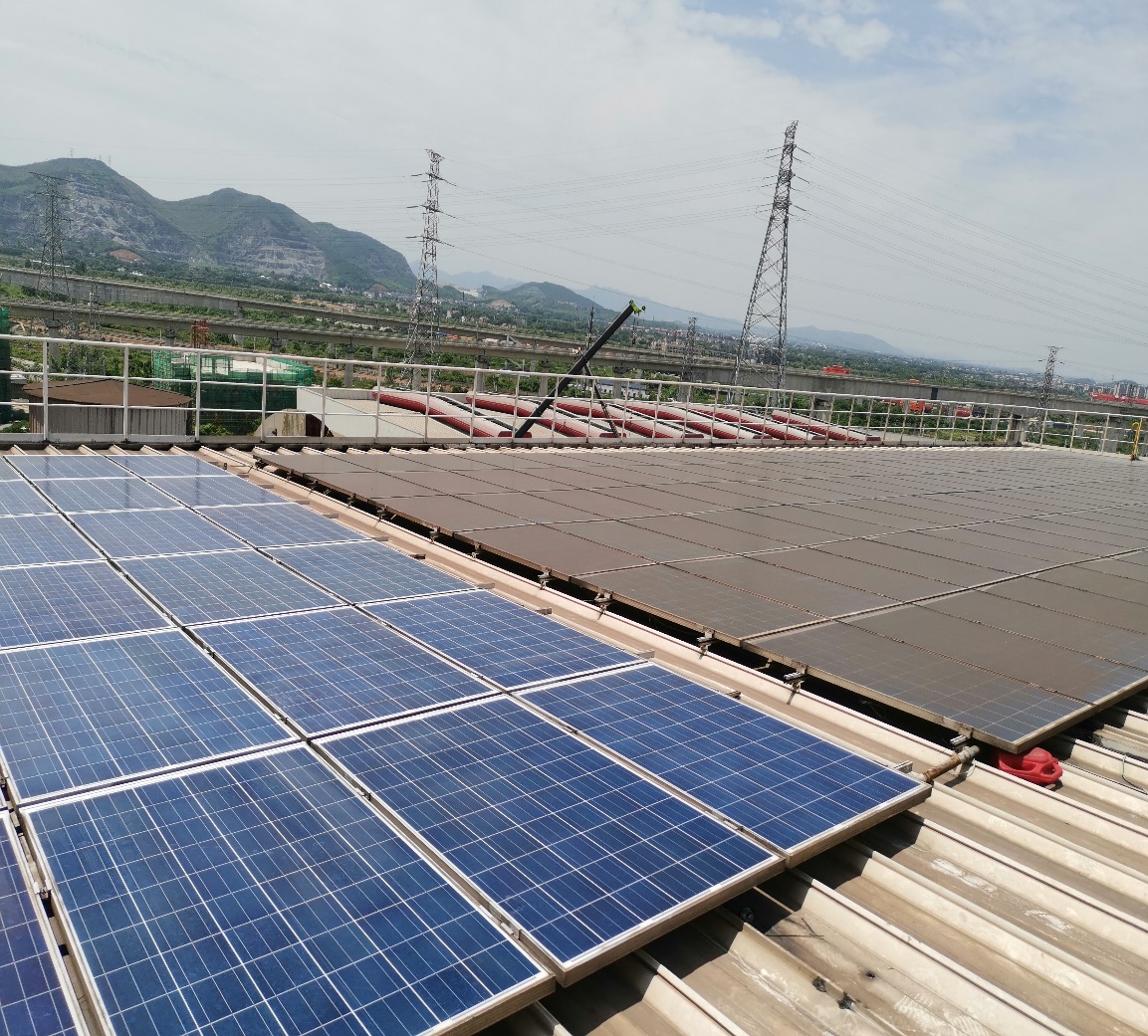
SPN-10 self-cleaning nano coating
One nano coating. 4–15% more energy.
Spray-applied superhydrophilic layer for the front glass of PV modules. Rainfall sheets away and carries dust with it — SCADA-measured uplift of 4–15% across 36 deployed sites, with a reported 1–1.5 year payback over a 5-year coating life.
- +2.2% transmittance · 67% anti-soiling
- 36 sites · ~ 180 MW deployed
- PFAS-free · SDS available
Open SPN-10 →

Robotic cleaning field service
Clean module glass faster, at a lower cost than tractor-mounted systems.
A robotic wet-cleaner (single operator per unit) plus an automated nano-coating spray, both running at 8 MW/day. The two are booked together so a coated site is one operational visit instead of two.
- 8 MW/day · single-operator wet cleaning
- Up to 30% lower cost vs tractor-mounted systems
- Australia-wide service from Sydney
Open Cleaning →
All three product lines are supplied from Sydney with local technical support. They address different loss mechanisms — reflected ground light for the rear of bifacial modules; soiling and reflection on the front glass; the operational cost of keeping both clean over time. Each can be evaluated independently or combined where the site case supports it.
Field-proven the pitch, in numbers
Proven at scale.
Figures below are identified by source: named Australian SCADA evidence where available, manufacturer test reports, deployed-portfolio aggregates, or service specifications. Site-specific performance still requires a project yield assessment.

Australian field evidence · Sunplus
Rolled reflective membrane for the ground beneath bifacial rows. +5–11% annual production uplift.
Specified mat albedo of at least 0.82 against approximately 0.20 for grass. The mat's purchase cost recovers against 20 years of avoided mowing alone; the reported up-to-60% cut in vegetation-management spend is on top of the yield. Payback 3–5 years, design life 25 years. Performance validated by SCADA data from the FRV Winton Solar Farm (VIC, 100.2 MW).
Enquiry Sydney time
Tell us about the site.
Send the location, capacity and which product is a fit — Sunplus, SPN coatings, cleaning, or a combination — and we will come back with the relevant datasheets and an indicative price.