
Ground albedo ρ
Rear-side yield
starts at the
ground.
A bifacial module can only harvest what the ground sends back. Bare soil returns about 17% of the light that lands on it. Sunplus is a reflective mat that turns the inter-row into a second sky — and across ten sites it has lifted annual production by 5–11%, depending on project design.
Illustrative model, linear in ρ and calibrated so that the mat at its rated ρ 0.82 returns the mid-point of the 5–11% field range reported across deployed projects. Site-specific gain depends on module bifaciality, row pitch, tilt, height and soiling, and should be confirmed by a PVsyst study.
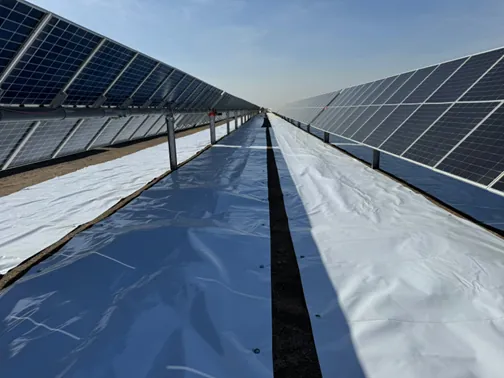
The surface doing the work is the one nobody specifies.
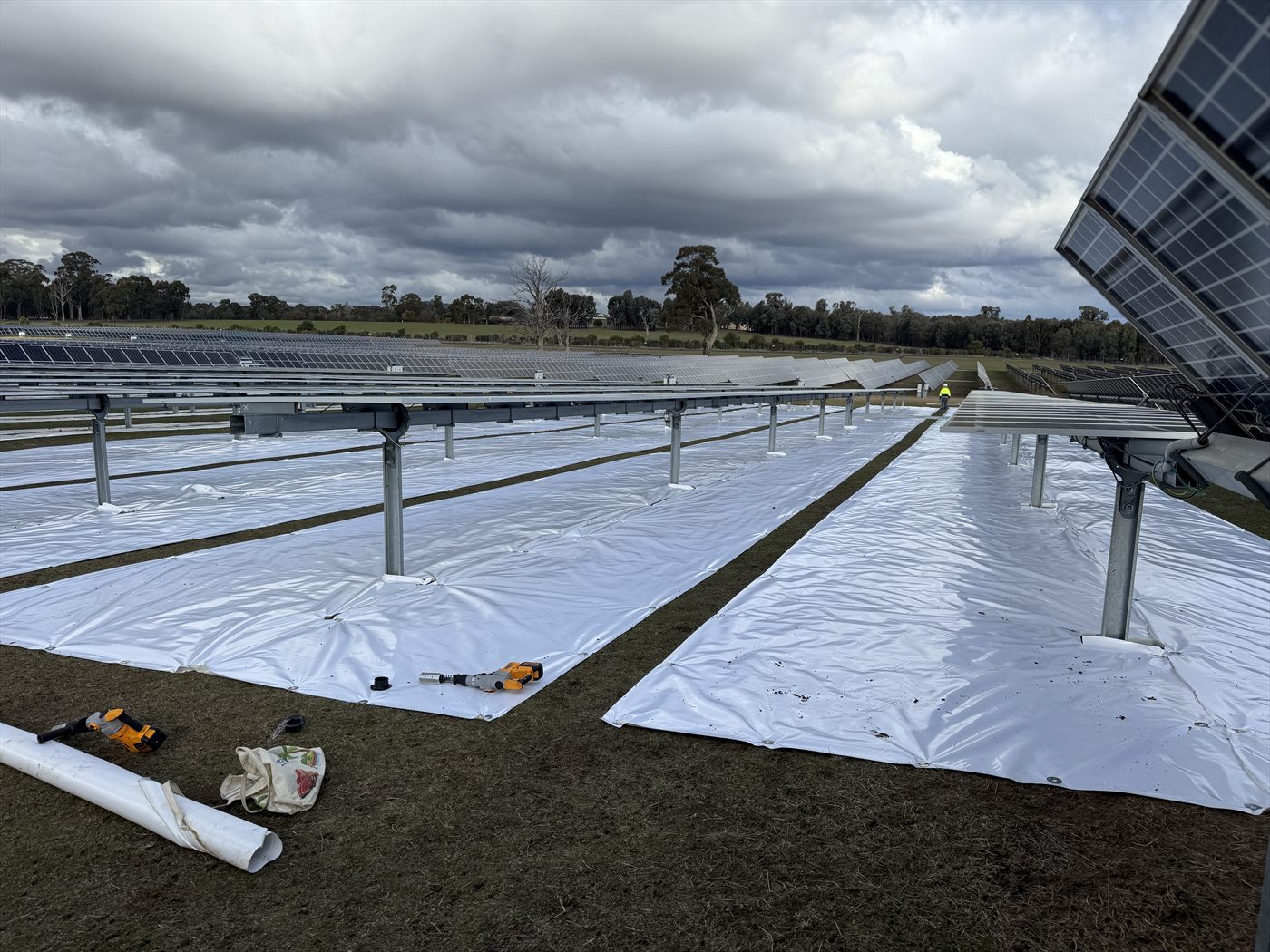
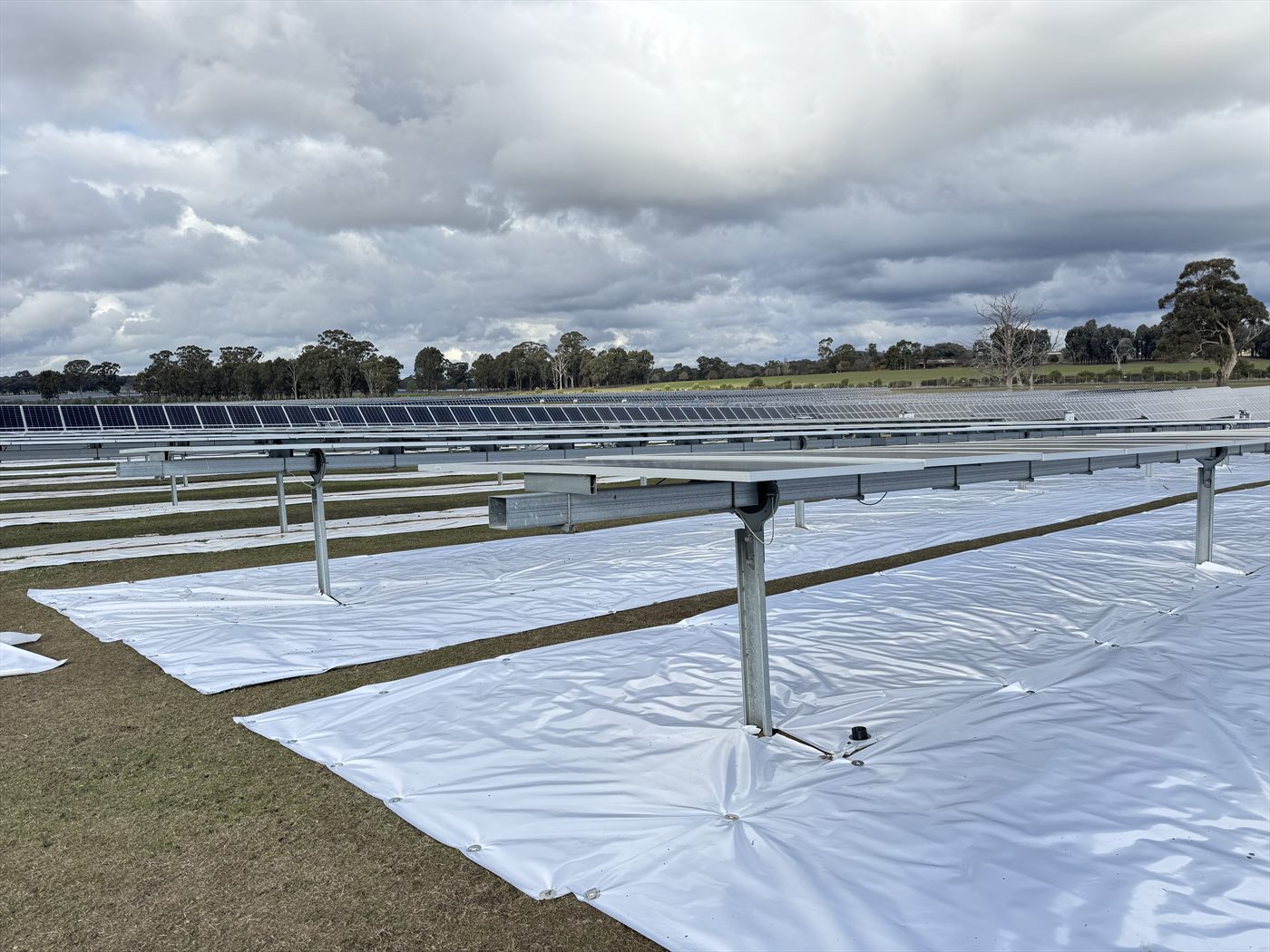
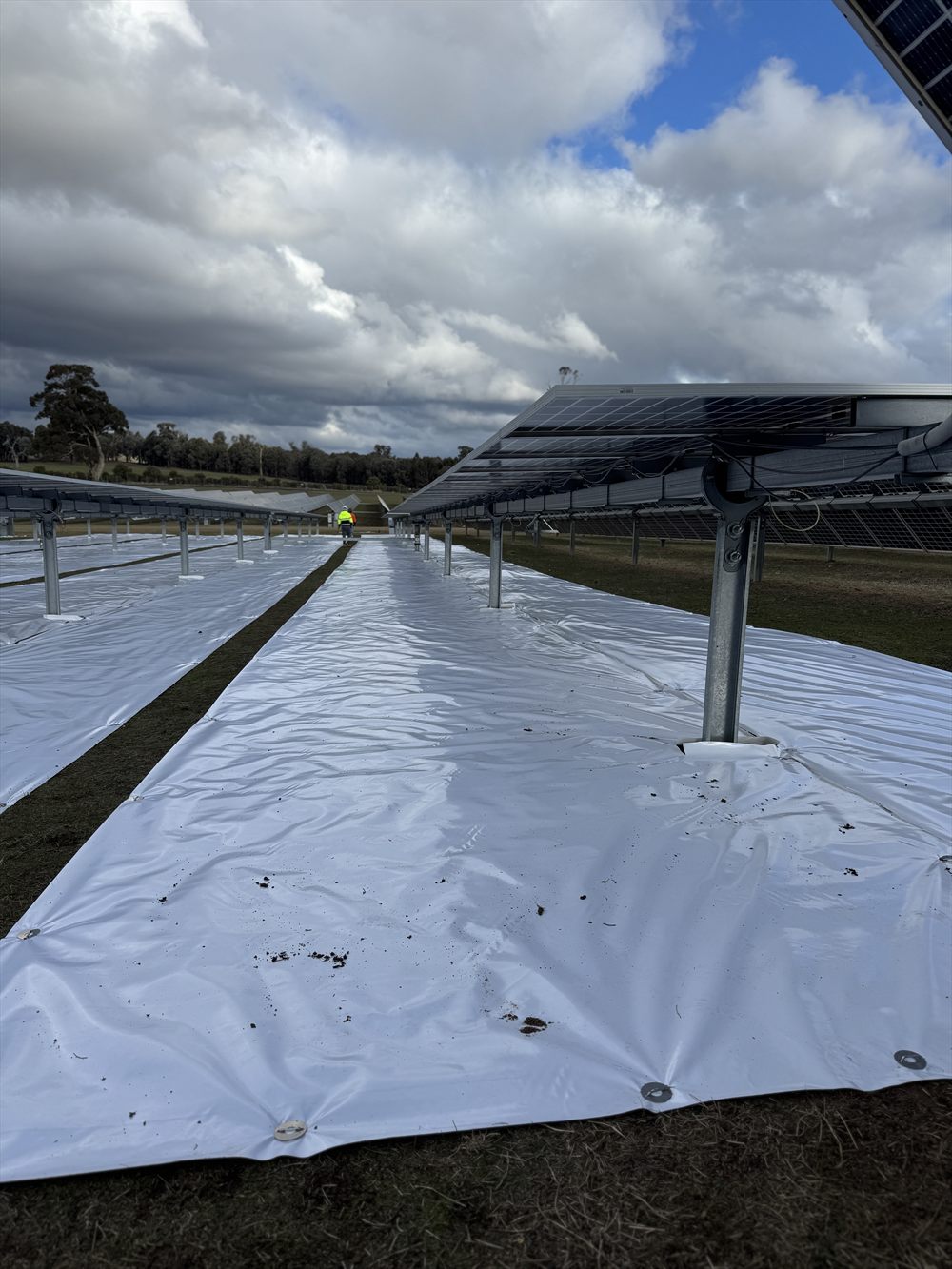
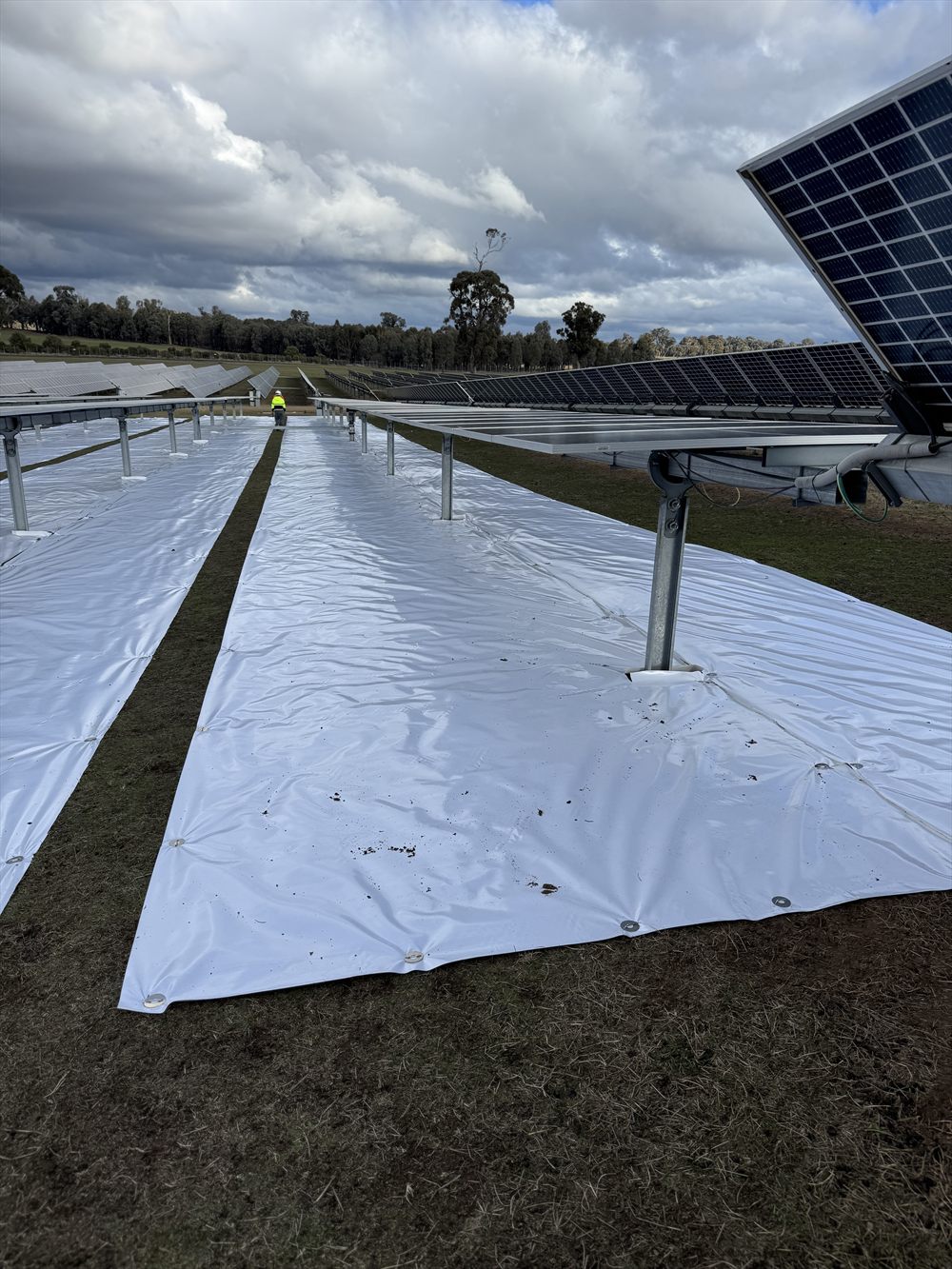
The mat covers the gap the modules cannot shade. In this photograph the sky appears twice: once overhead, and once in the membrane — which is exactly the light the rear face is there to collect.
- Surface
- White reflective membrane
- Position
- Full inter-row width
- Electrical interface
- None
Irradiance W/m²
Three things have to happen for a bifacial module to earn its premium.
-
Incident
≈1,000 W/m²
Light has to reach the ground
Between rows, most of the plane-of-array irradiance never touches a cell. It lands on dirt. On a typical fixed-tilt layout, that inter-row strip is the largest single surface on the site.
-
Reflected
0.17 → 0.82
The ground has to send it back
This is the variable you can actually change. Bare soil returns roughly 0.17 of what hits it — asphalt only 0.15 — and absorbs the rest as heat. A reflective mat raises that figure several times over, without touching the array itself.
-
Captured
5–11%
The rear face has to be there to catch it
You have already paid for the rear face. Raising albedo is the cheapest way to increase what it sees — no re-racking, no re-stringing, no change to the electrical design.
Sunplus is at its most valuable where natural reflectivity is worst: dark or wet soils, gravel, and regions with lower direct sun.
Return AUD
Run the numbers on your own array.
For a MW array producing kWh/kWp a year, sold at $/kWh, an uplift of % is worth:
Following the ground albedo slider at the top of the page.
- Additional generation
- 128,000 kWh / yr
- Additional revenue, year 1
- $12,800
- Additional revenue, 10 years
- $128,000
Undiscounted and before module degradation, soiling and escalation. Change any figure to match your own model.
Vegetation offset O&M
Sunplus also does the mowing bill.
Below-panel grass and inter-row weeds are an operational cost every utility-scale solar farm carries: mowing crews, herbicide passes, and a fire-risk envelope that widens every dry season. A reflective mat between the rows does two jobs at once — it lifts the rear-side yield, and it removes most of the ground the mower was there to cut.
-
Mowing reduction
reported up to 60%
-
Break-even against mowing
~ 20 years
-
Design life
25 years
The mowing offset is a lower-bound floor for the mat's value even before the yield uplift is counted: at typical Australian utility-scale mowing rates, the mat's purchase cost is recovered against mowing alone over its design life. The yield uplift and the fire-envelope reduction sit on top.
Product Sunplus
Supplied on the roll. Laid by hand.

Sunplus ships as a rolled membrane, cut to the inter-row width of your layout and anchored at the edges. It goes down after racking and before or after module installation, and it does not interface with the electrical system at all.
The datasheet covers
- Total & diffuse reflectance
- Roll width and run length
- Thickness and areal weight
- UV and weathering performance
- Tensile strength and tear resistance
- Fire classification
- Anchoring and edge detail
- Cleaning and O&M
- 10-year warranty terms
Durability 0:16
Drive on it.
A rolling test drove a Buick SUV over the mat nearly a thousand times. No cracks. No delamination. The membrane came through intact.
Overview 0:16
See Sunplus go in.
Sixteen seconds, from the roll to the finished field — the membrane laid by hand, anchored with ground pins, turning bare inter-row ground into reflected yield.
Foundation 0:16
Anchor it down.
Once the mat is laid, steel U-shaped anchors are driven flush through it into the ground on a regular pattern — the mat sits tight, and nothing lifts in the wind.
Seams 0:16
Sealed by heat.
Where two mats meet, a hot-air welder softens the edges and a pressure roller fuses them — the field becomes one continuous reflective sheet, edge to edge.
Deployed MW
Ten sites across five markets.
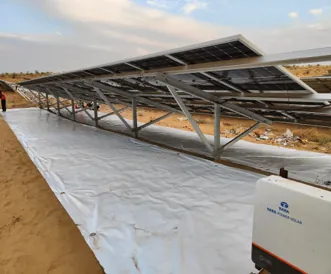
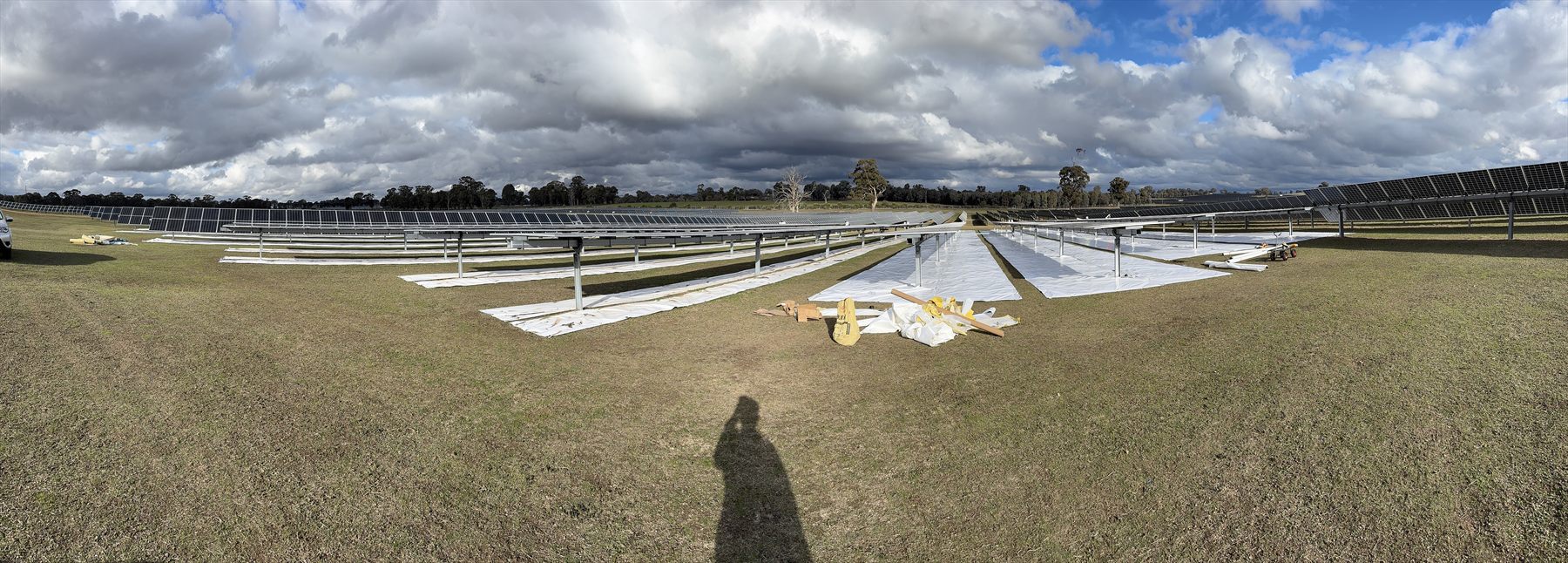
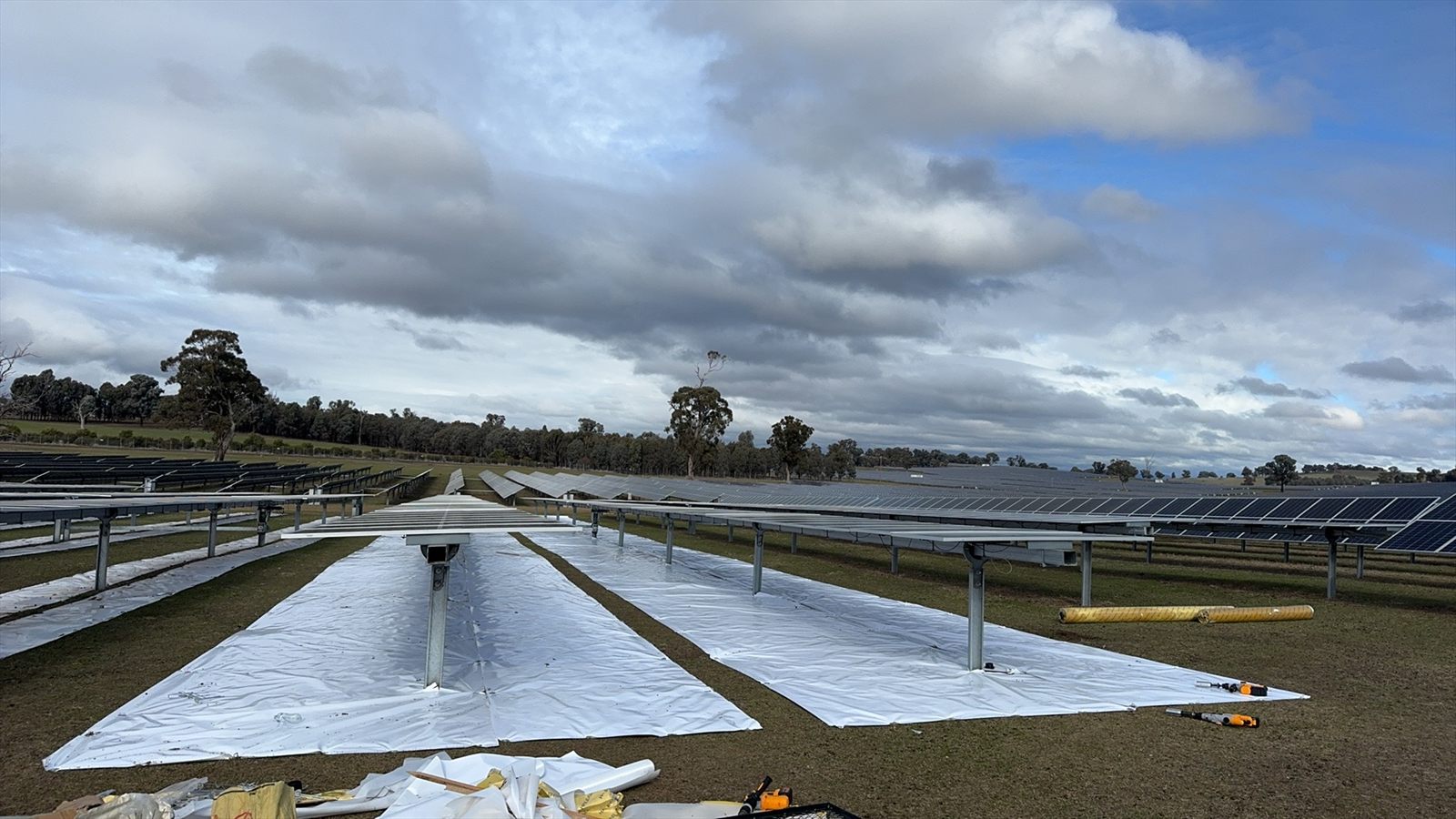
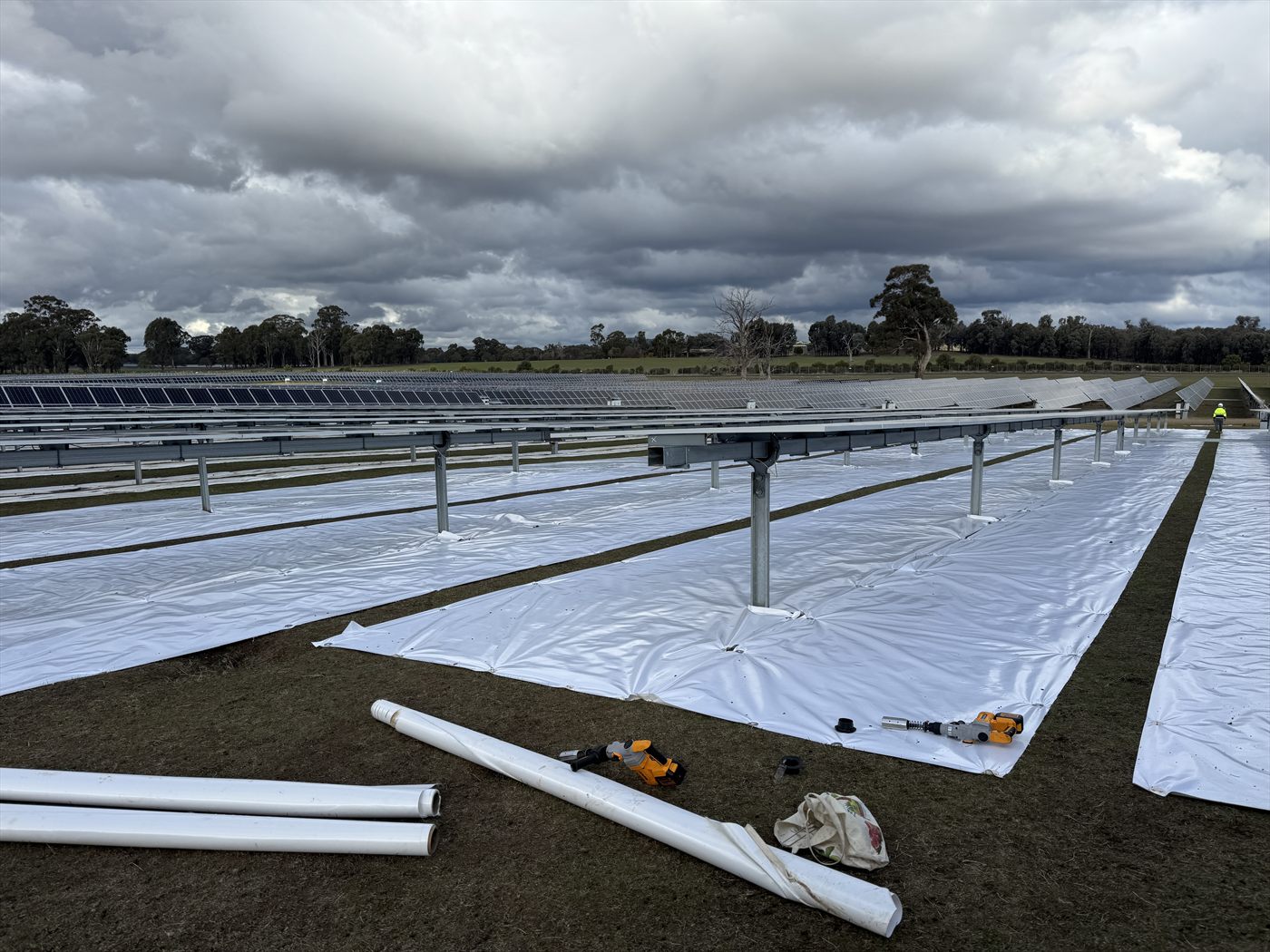
Sunplus mats are in service in Oman, Abu Dhabi, Japan, India and now Australia — including a 500 MW installation in Oman commissioned in October 2021, extended by a further 147 MW in January 2024, and a recent ground-mount single-axis tracker array in Australia.
-
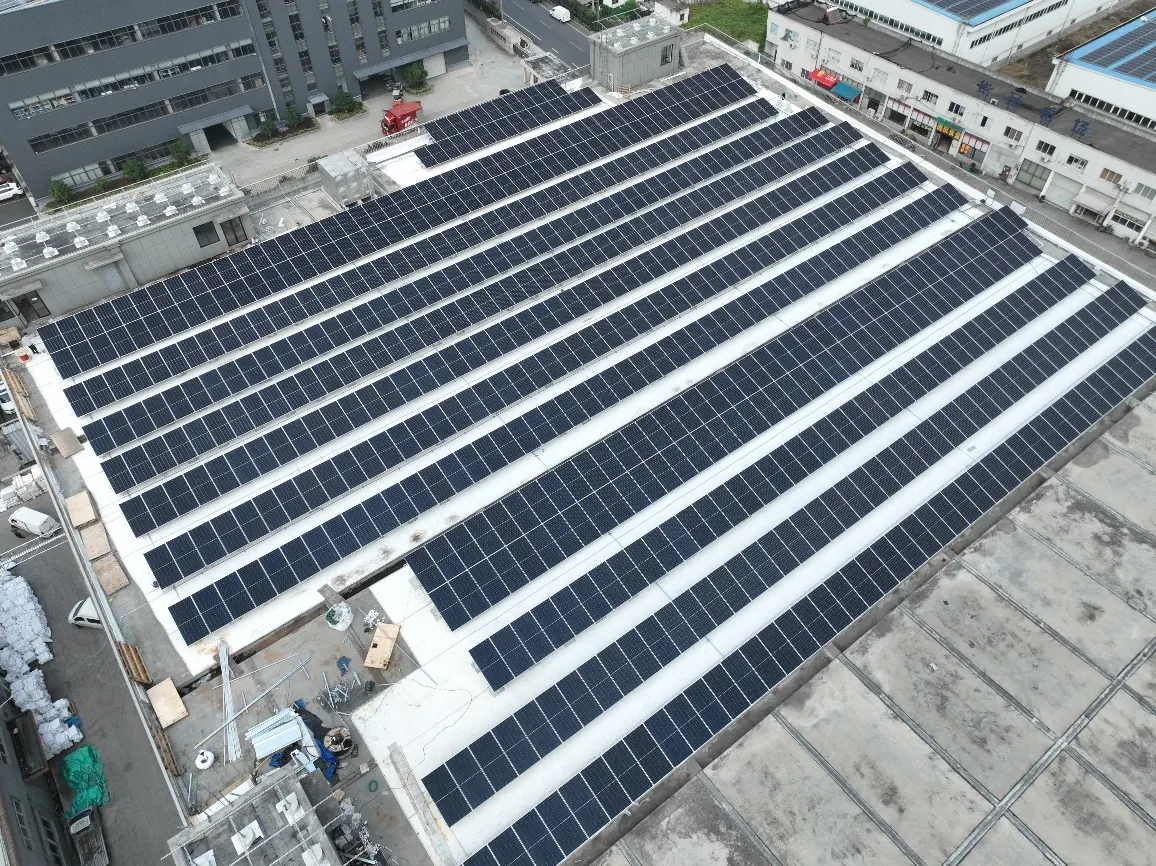
Industrial rooftop -
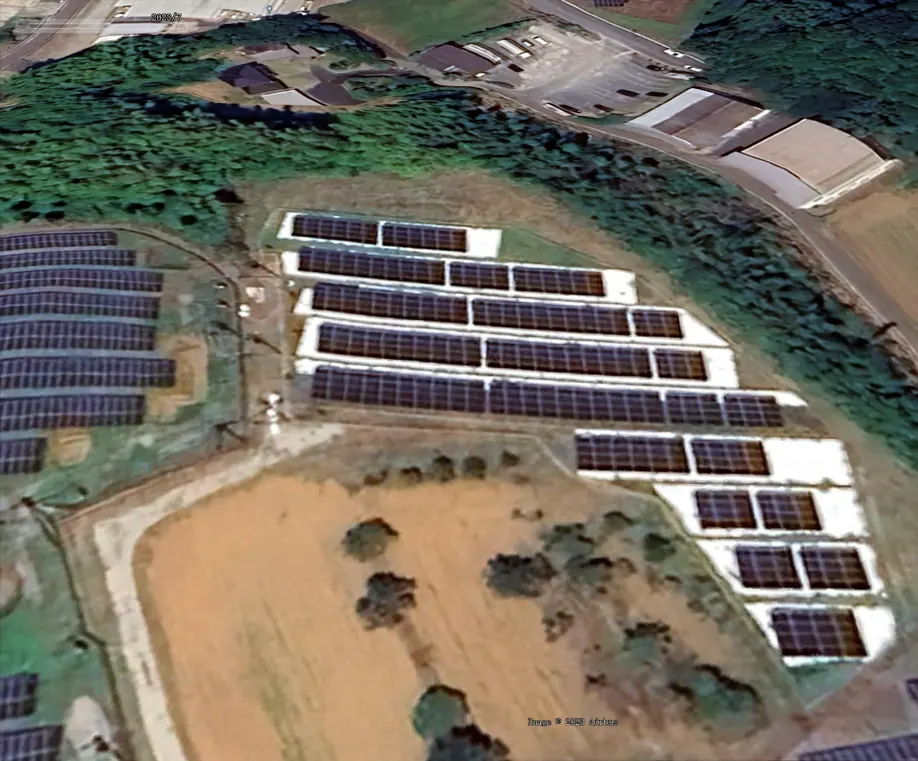
Japan -
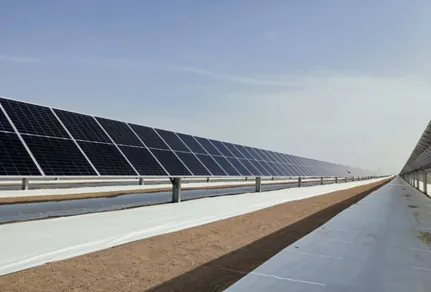
Oman — IBRI Phase II -
India -
647MW
Oman, IBRI Phase II — 500 MW commissioned October 2021, extended by 147 MW in January 2024.
- Oman
- Abu Dhabi
- Japan
- India
- Australia
-
Australia -
Australia -
Australia -
Australia -
Australia -
Australia -
Australia -
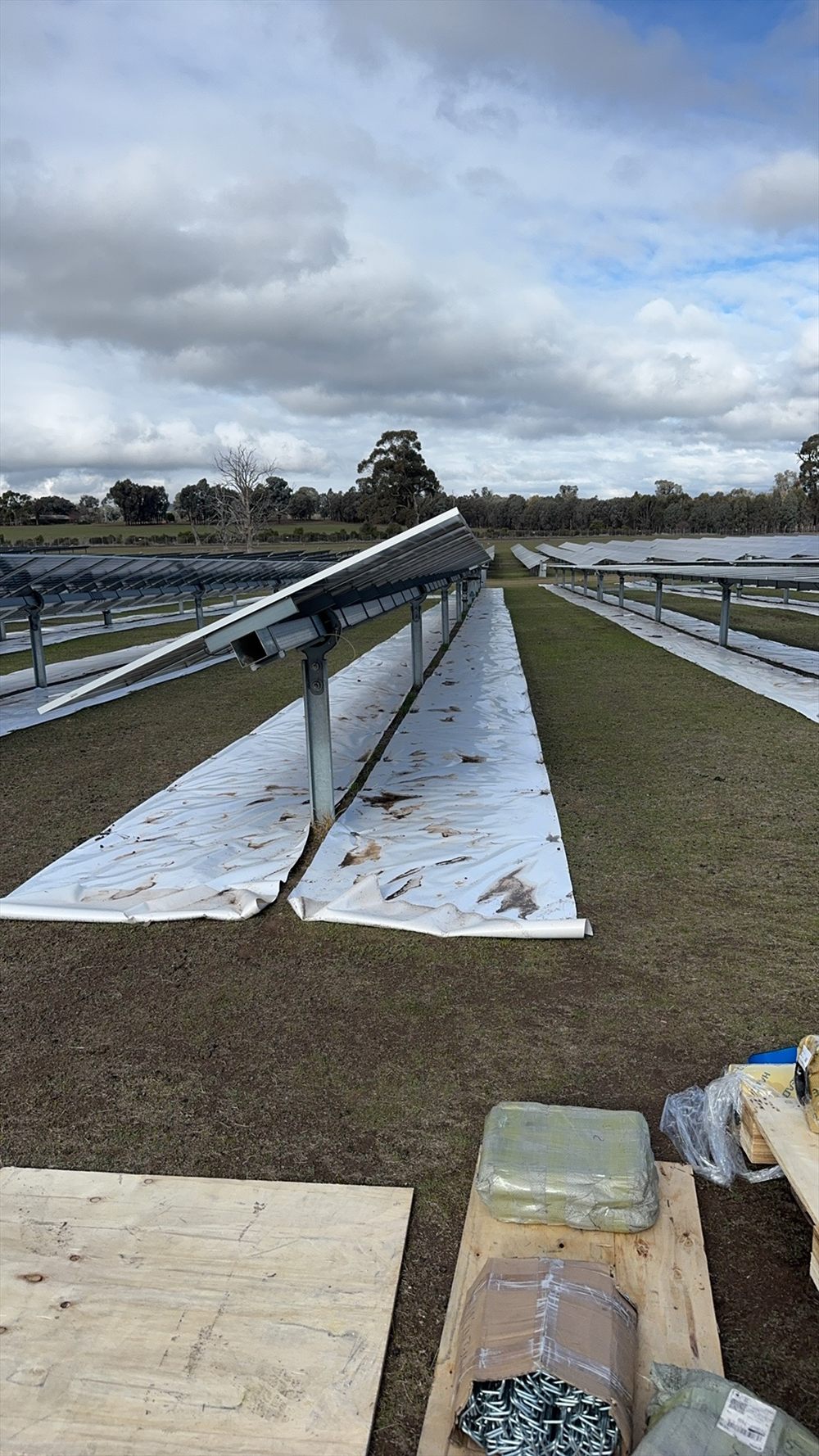
Australia
Case study 0:16
In service, at scale.
A distributed rooftop PV plant seen from the air — hectares of reflective mat laid between the module rows, working day after day to lift the rear-side yield.
Field report FRV Winton, VIC
In the field, at FRV Winton.
Ground level, walking through the FRV Winton Solar Farm in regional Victoria (100.2 MW DC / 85 MW AC) — Sunplus laid between every row, working under the panels overhead. The performance figures cited on this page are backed by SCADA data from this site.
Enquiry Sydney time
Tell us about the site.
Send the location and capacity, and we will come back with the datasheet, an indicative roll schedule and a delivered price.